
Tracking Your Expenses Without Apps
Don’t need fancy software. We’ll show you three simple systems — notebook, envelope method, and spreadsheet — that actually work for Malaysian households.

Why Simple Methods Win
Most people think they need an app to track money. They don’t. In fact, the best expense tracking system is one you’ll actually use — and that’s usually something simple.
We’ve watched families in Malaysia struggle with fancy apps they download once and forget about. Meanwhile, the ones who really manage their money? They’re writing things down, using envelopes, or keeping a spreadsheet. It’s not glamorous, but it works.
Here’s what you need to know: tracking expenses isn’t about technology. It’s about knowing where your money goes. Once you see the real picture — how much you’re spending on groceries, transport, subscriptions — everything else gets easier. You can make real decisions about what matters to you.

Three Proven Systems
Pick the one that matches how you think about money.
The Notebook Method
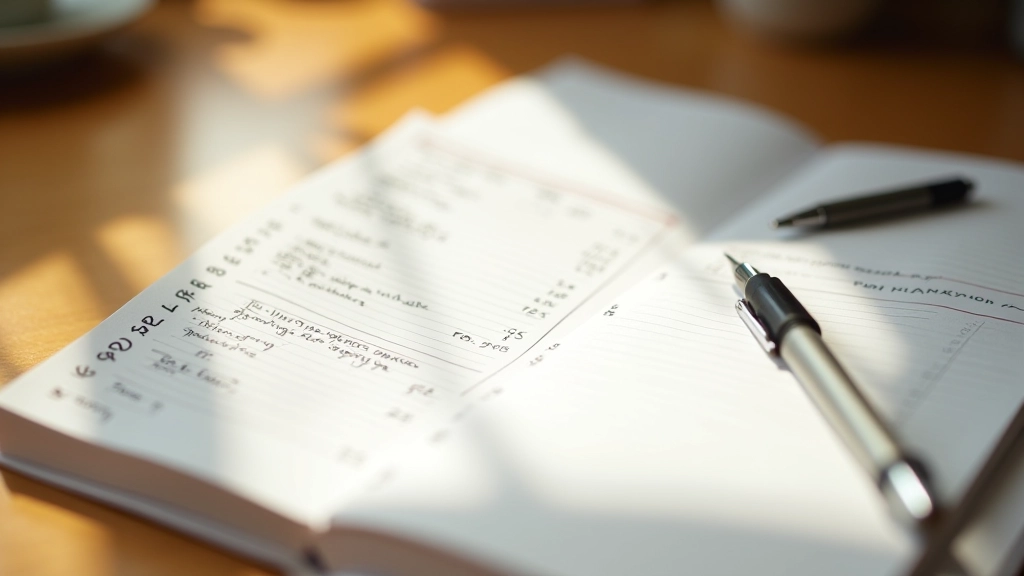
Write down every purchase the moment you make it. Date, amount, category. That’s it. Some people use a small notebook they carry everywhere. Others keep one at home and write entries each evening. You’ll see patterns emerge in about 2-3 weeks.
The Envelope Method
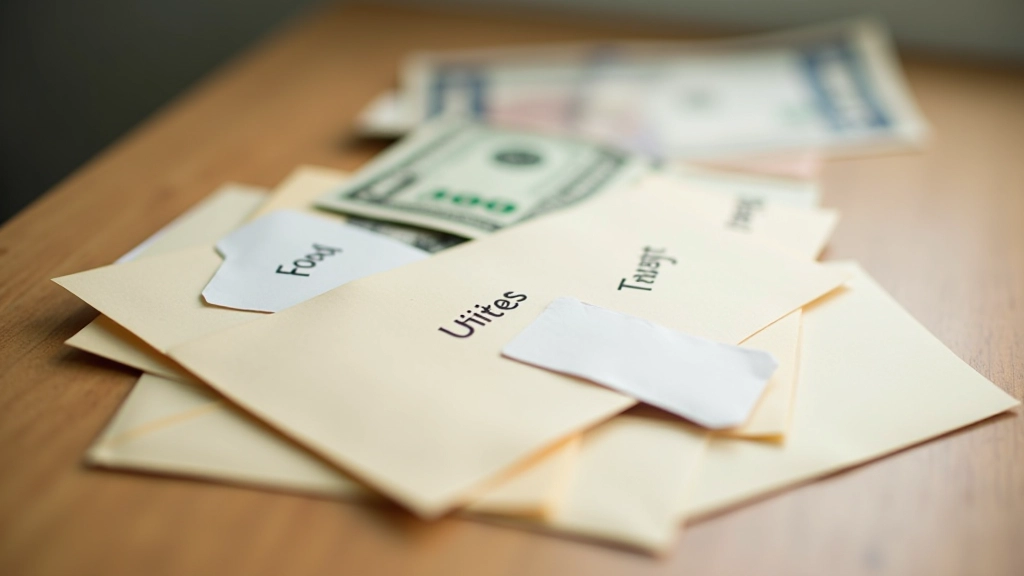
Physical cash in labeled envelopes for different categories. Food, transport, utilities, entertainment. Once an envelope is empty, you stop spending in that category until next month. Works brilliantly for people who struggle with digital tracking. Very hands-on.
The Spreadsheet Method
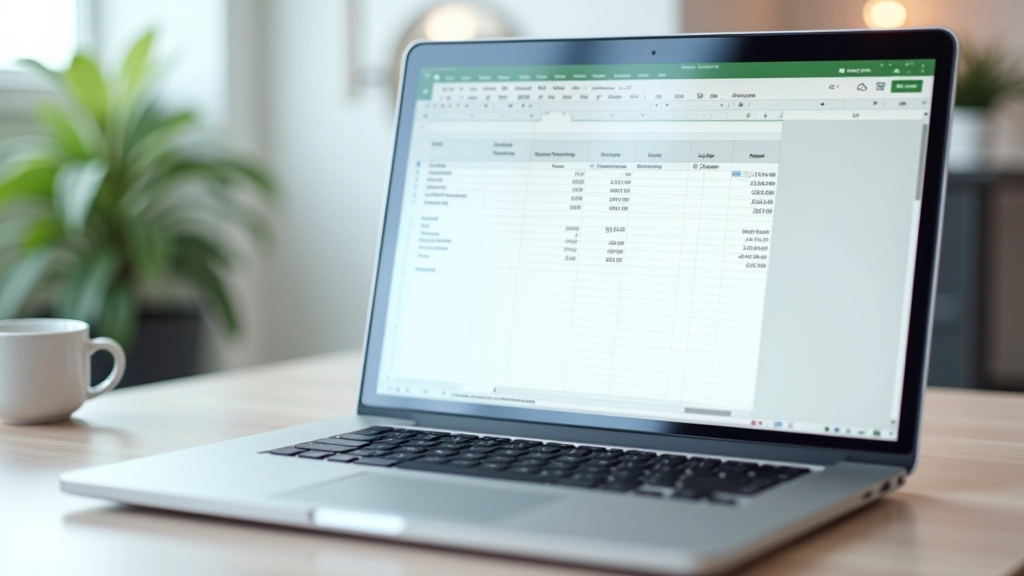
A simple Excel or Google Sheet with columns for date, category, amount, and notes. Takes 2 minutes to set up. You can add automatic totals and see monthly summaries instantly. Best if you’re comfortable with numbers and like seeing data visualized.
Starting with the Notebook
This is the easiest method to begin with. You don’t need anything fancy — just a notebook you like carrying around. Some people use a small A5 notebook, others use their phone’s notes app printed out weekly.
Here’s the format that works: Date | Item | Amount | Category. That’s genuinely all you need. For categories, keep it simple: Food, Transport, Utilities, Entertainment, Health, Shopping. Don’t overthink it.
The magic happens after 30 days. You’ll see you’re spending RM180 monthly on coffee. Or RM240 on food delivery. Real numbers, not guesses. Then you decide if that’s worth it to you.
People often ask, “Isn’t this tedious?” Sometimes. But it’s less tedious than not knowing where your money went. And once it’s a habit — writing things down takes maybe 20 seconds per purchase — you’ll barely notice you’re doing it.
The Envelope Method Works Because It’s Instant
Here’s why the envelope system is so effective: when you physically hand over cash, it feels real. Your brain registers it differently than swiping a card.
Start by deciding how much you’ll spend in each category monthly. RM500 for food? RM200 for transport? Withdraw cash, divide it into envelopes, and that’s your budget. When food money runs out on day 25 of the month, you eat differently. That’s not punishment — that’s awareness.
Malaysian families often use this for daily needs while keeping one card for online payments or bills. It’s not all-or-nothing. You can track 70% of spending with envelopes and handle utilities digitally. Mix and match what works.
The downside? You’re carrying cash. It’s less secure, and you can’t track spending as easily for tax purposes if that matters to you. But for getting started and actually seeing where money goes? This method is surprisingly powerful.
Spreadsheets Give You the Full Picture
If you’re comfortable with numbers, a spreadsheet is your friend. You get all the data-tracking benefits without paying for an app. Google Sheets is free, and you can access it from any device.
Set up columns: Date, Category, Description, Amount. Add a formula to sum everything by category automatically. In 30 seconds, you’ll know exactly how much went to groceries, transport, entertainment. No mental math required.
The real power? You can spot trends. You’ll see that utilities spike in July (air conditioning costs), or that you spend more during school holidays. Then you can plan differently. Some people add a “Notes” column to remember why they spent something — that context matters.
The barrier is just getting started. Once it’s set up, it takes maybe 2 minutes daily to add expenses. And you’ll have a complete record for the whole year. That’s invaluable when tax season comes or when you’re planning for the next year.
Make It Actually Work
Here’s what separates people who track from people who try then quit.
Keep It Simple
5-6 categories maximum. Anything more and you’ll waste time categorizing. Food, Transport, Utilities, Entertainment, Shopping, Other. Done.
Track Daily, Not Weekly
Don’t wait until Sunday to write things down. You’ll forget. Do it daily, even if it takes 30 seconds. Consistency matters more than perfection.
Review Monthly
Spend 10 minutes at month-end looking at your numbers. What surprised you? Where did you spend more than expected? This is where real change happens.
Don’t Track Everything
Skip RM2 purchases or tiny amounts. Track what matters. Most of your spending comes from 20% of transactions anyway.
“I thought tracking was boring until I saw I was spending RM3,000 a month on things I didn’t even remember buying. That number changed everything.”
— Aisha, Kuala Lumpur
Start Today, Not Next Month
You don’t need permission to start tracking. You don’t need the perfect system. You just need to pick one and begin. Grab a notebook, set up an envelope, or open Google Sheets. Any of these will work.
The first week feels weird. You’ll forget to write things down. You’ll miss a day. That’s normal. By week three, it becomes automatic. And by month two, you’ll have real data about your life — data that helps you make decisions.
This isn’t about being perfect. It’s about knowing. Once you know where your money goes, everything else gets easier. Saving becomes possible. Priorities become clear. You’ll make choices instead of just watching money disappear.
Pick your method. Get your supplies. Start tomorrow. That’s genuinely all you need to do.
Ready to Understand Your Money Better?
Learn the next steps after tracking. Explore our guides on creating budgets and building savings habits.
Read More Guides

Disclaimer
This article is provided for educational and informational purposes only. It’s not financial advice, and circumstances vary by individual. The methods described here are general approaches to personal expense tracking. For specific financial advice tailored to your situation, consult with a qualified financial advisor. Results from tracking expenses depend on your consistency and personal choices. We’ve shared what works for many people, but your results may differ based on your income, expenses, and lifestyle.